
How to: Rear Illuminated Foliage
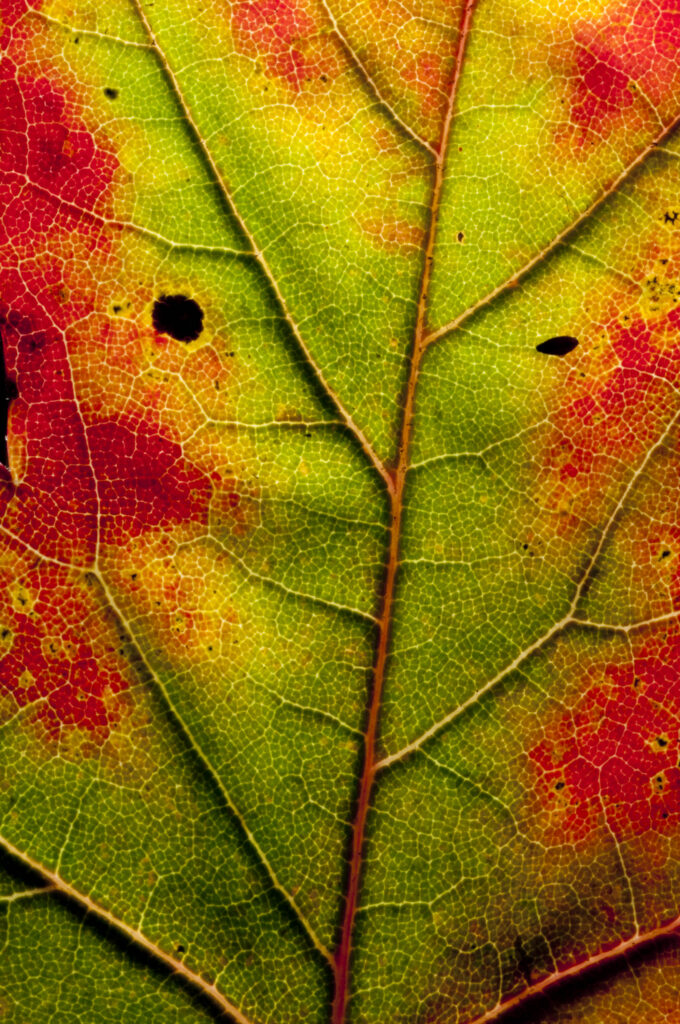
I live in the beautiful Pacific Northwest. This has incredible advantages in the summertime if you are the outdoorsy type of person, which I just happen to be. During the fall, winter and spring, however, it tends to be both grey and drizzly along with darkness falling fairly early – the sun sets earlier than 4:30 pm in the middle of December. When I am actually at home during this time of year and not out roaming other parts of the world with better weather, I will often try to think of things to challenge my creative side and I’ll usually end up learning something about photography or lighting techniques while doing it. I have an area in my house I can turn into a tabletop studio and this has been the breeding ground for all types of images during the dreary time of year in the PacNW. From elaborate scenes with wooden art manikins (that’s not playing with dolls, right?) where the entire landscape is made from edible components to neon backlit water droplets. When you look around a bit you can find quite a few creative people out there with cameras. Many of the ideas for these experiments were spawned from hours of perusing photo challenge sites. I am curious by nature so I would try to figure out how they created such an image, and then use these times as my testing grounds for new techniques. Combine that with items found around the house and the results can be fun, and often surprising. Early on in my experimentation with landscape photography, I realized that foliage is much more eye-catching when it is backlit. If you photograph a tree or a field of flowers with the sun behind your subject, the leaves and petals glow. This is all well and good when you are taking a shot of cherry blossoms during the light of golden hour, but I grew interested in the intricacies that make up the leaf or the pedal. If you have ever tried to take a macro photo outside, you know that the slightest breeze will cause your painstaking efforts to achieve focus to be gone with the wind. The other obstacle you will likely run into is the curvature of the leaf or pedal. In macro photography, you have a fairly narrow depth of field, even at higher apertures. There are techniques such as focus stacking that can help you get around this for some purposes, but in my case, I am trying to take a single image that has the look I want. I had a couple pieces of broken glass from old frames, so I gaffers taped the edges for safety and clamped them together with the leaf in between. This held the leaf on a flat plane. At first I set up an elaborate rig to hold my flash behind the flattened foliage (pictured right), but in the long run, I found it more useful to just hold the flash. Every time I would move the flash, different highlights and shadows would totally change the look of the image. Logically speaking this makes sense; move the light source and the shadows will also move. When I saw it happen first hand, I was stunned at the variations playing out in front of my eyes. I ended up just hand holding the flash so I could easily change the angle of light from shot to shot. Below you can see a leaf photographed with the flash on the camera side and then three examples of the same leaf with rear illumination. The only thing that differs from shot to shot is where I held the flash to alter the angle and steepness of shadows and highlights. Steeper angles, almost parallel to the leaf, yielded far more dark shadows which help give striking texture to the image. If I kept the steep angle but went from the left to the right or above with the flash, I would get incredibly different looking images. Some of these almost look like a map in a post-apocalyptic video game with toxic rivers and scorched hillsides or like dinosaur skin (at least the dinosaur skin I’ve seen). The camera set up that you see in the picture above was a Nikon D300 with a 105mm 2.8 AF Micro Nikkor and 2 older extension tubes, a Nikon Pk-13, and Pk-11a, that I picked up used at a local camera store. These extension tubes shift back where a lens focuses. Let’s say your lens could focus from 2ft-infinity. Depending on the depth of the extension tube, this may change your close focus from 2 ft to 3 inches. Your ability to focus at infinity also changes though. Now you may only be able to focus out to a foot or so. If you don’t have a macro lens for close up pictures, this is a relatively inexpensive way to get a close perspective. When using these extension tubes with a macro lens that already has a very close focus, it will have a magnifying effect on the subject. For the flash I am using a Nikon SB-800 that is being triggered by a pulse of light from my on-camera flash just before the picture is taken (Nikon’s CLS). I have it set manually so it doesn’t change the output from shot to shot. If your camera doesn’t have a wireless flash triggering ability, you can usually find a cable for about $20 that will connect your flash to your camera’s hot shoe and let you move it around while still allowing it to fire. If you don’t have a flash already and are just wanting to experiment a bit without spending a lot of money, any old flash that has an ability to manually change the power will let you have just as much fun. A Vivitar 283 or 285 is a good recommendation and are easy to find used. Take a few
That Time In Colombia All Of My Camera Gear Was Almost Stolen : A Cautionary Tale
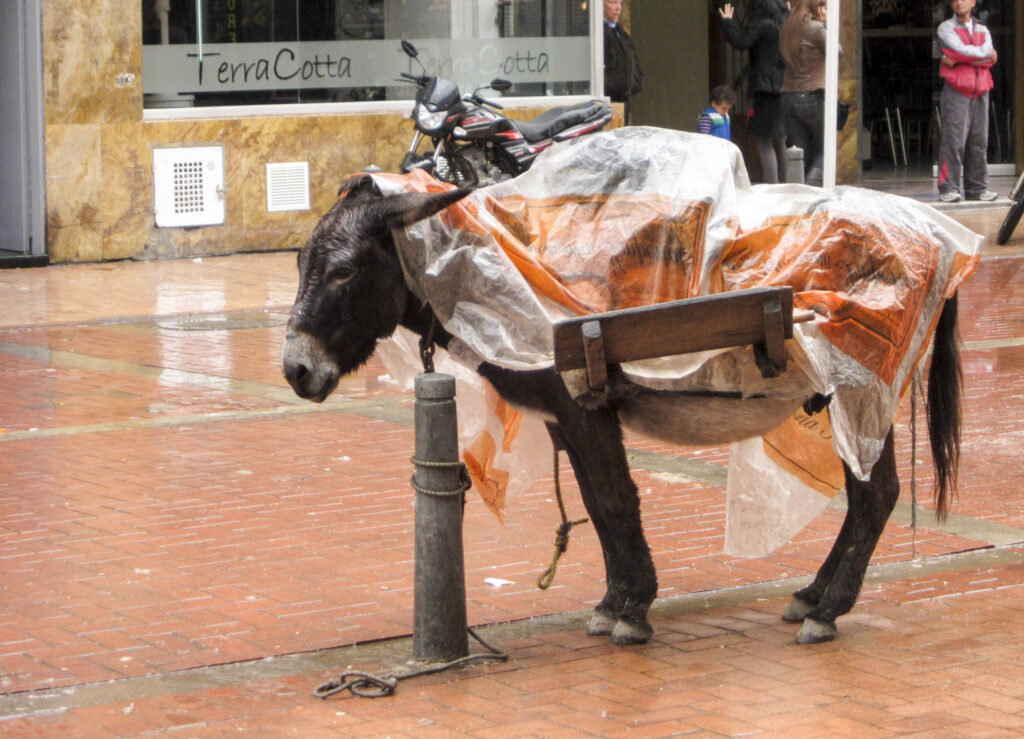
The Set-Up “Beware of fake policemen.” This is what the sign to the right of the door at the hostel I had just arrived at in Bogota, Colombia read. Being accustom to traveling in countries that have their fair share of crime and social issues, this type of thing was nothing new to me. There are certain scams and cons that you see the world over with just slightly different takes on them depending on where you are. For instance, all over South America from the Caribbean of Colombia to the southern most inhabited city of Ushuia in Argentina, you may encounter this scam; A usually well dressed man points out that you have mustard, paint or spit on your back or shoulder and offers to help you clean it off. In some countries they will conveniently have paper towels or napkins with them and when you take your backpack off to clean whatever substance is on you, an accomplice will come running by or scooting by on a motorcycle and grab your bag. In Colombia the helpful stranger will usually help you clean it in a nearby public bathroom where you are then bum rushed by multiple people that will steal everything you have. This is a relatively sedate and non-violent crime compared to some of the stories I have heard from people that have experienced worse things first hand. There was a woman staying at the same hostel as me hostel in Medellin, Colombia that was also a photographer. We started talking and it turned out she was there on an internship performing oral surgeries to reconstruct jaw bones. In her first week she saw three patients, one from a motorcycle accident and two from robberies where the culprit just walked up and shot the victim in the face without a word and proceeded to rob them blind. This is not a story though meant to dissuade you from travel, especially travel to Colombia! For the most part the people of Colombia are some of the nicest and most genuinely cordial I have had the honor to spend time with. They don’t even use “Gracias” for thank you in their country, they use “con mucho gusto,” which roughly translates to “with much appreciation.” As with anywhere you travel, especially developing countries with wide spread poverty and little education, there are going to be people that are going to take advantage of others. When heading to a new location it is a good idea to research the area as much as possible. Not only the sights that you want to see, but the customs and dangers of an area. I will usually start by going to the Department of State website and look at what ever travel warnings they have for the area. I take their warnings for the most part with a grain of salt. They make it sound like going to England could be life threatening for about a dozen reasons, but it is still a good foundation for your research. Next I’ll head to Lonely Planets website and look at the dangers and annoyances section for my intended destination. Finally when I arrive at a destination, I’ll talk to someone at the desk where I am staying and also a few travelers to see what they have heard or experienced during their travels. When traveling with valuables like camera gear that are small and easy to quickly run off with, it is a good idea to be as diligent as possible. The Scam In this particular incident I had just arrived in Bogota, Colombia from the states and made my way to my hostel in a taxi. I was staying in a relatively safe area called Candelaria. This is a vibrant part of the city with bight colors and street art covering nearly every surface. Because of its popularity with tourists it tends to be an area heavy in pick pockets and scams. After settling into my room and meeting a few people I headed out to explore a bit of the area. It was just after noon and people were all over the streets. I travel with a fair amount of camera gear and like most photographers, whats in that bag is my life. About three blocks from my hostel I had a man in a suit come up and ask me in Spanish if I knew where a toy store was as he proceeded to show me a business card with stores name on it. He said he was a businessman from Venezuela and wanted to get his son a gift before returning home. Just after I told him I didn’t know where it was he flagged down a second well dressed man that was walking by us. This passerby knew where the store was and pointed the first guy in its general direction. Just as he was about to walk that way the newest member of our sidewalk group informed us that he is a detective with the police station (he pointed to a large police station less than 500 feet away) and proceeded to tell us about how Colombia has a smuggling problem and how they do spot checks of tourists from time to time. He asked for our passport information which I found very suspicious. You see the “businessman” willingly handing over everything the “detective” asks for like it is standard procedure. I told him my passport wasn’t on me (a lie) and he said no problem, I could just write my passport number, name and address on this handy sheet of paper he had and that would be fine. I wrote fake information down and he said he would be right back. He actually went into the large police station after instructing us to stay put for a moment. He returned about 3 minutes later telling us we both checked out and then handed us two business cards each – one for the police station’s general line
Exploring the Pacific Northwest in June
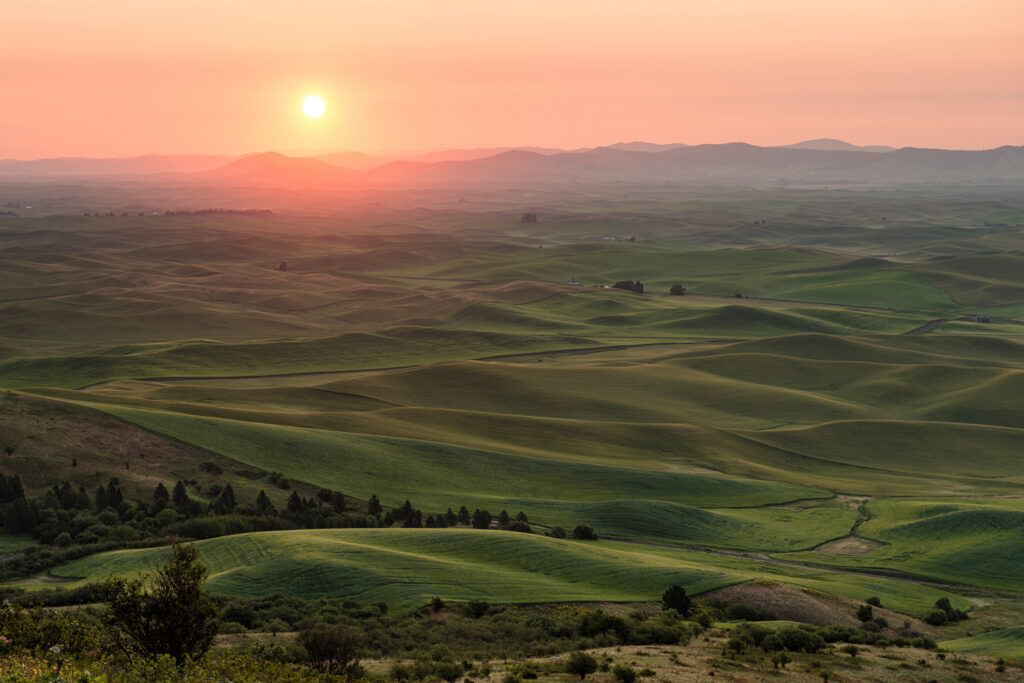
Oh What A Beautiful Morning…To Take A Picture! Here we are again. For most of the country after a long winter, the flowers are blooming, the birds are chirping and the cameras are getting dusted off from their annual hibernation. I have been calling Seattle home now for more than 15 years, but I spend most of the year roaming the planet for workshops, classes and scouting expeditions for future workshop locations. I have been lucky enough to witness some of the most beautiful places on earth first hand but I am still in awe every time I return home to the Pacific Northwest. The combination of mountains, forests, salt water, fresh water and deserts are a dream for landscape and wildlife photographers alike. Below are a few of my favorite places to frequent this time of year. I have given you a general idea of where to head, but you’ll have to do a little searching to find the prime locations (or join me on a workshop!). The Hot Spots Ecola State Park – Cannon Beach, OR Most people have seen images from the ever popular Haystack Rock at Cannon Beach but few venture slightly more north to Ecola State Park. With plenty of hiking trails, tide pools, cliff side bluffs and rocky beaches to explore, you could spend days wandering around this hidden gem. The Palouse Region – Colfax, WA Anyone that has picked up a landscape photography magazine has seen images of this area with its seemingly endless drumlins and multi-colored fields of winter wheat. There are strict watering policies that keep this a unique landscape untarnished by the traditional sprinkler systems dotting most farmlands today. Try ascending Steptoe Butte for a birds eye view of the rolling hills. The Columbia River Gorge – Border of Washington and Oregon With the highest concentration of waterfalls in North America, The Columbia River Gorge is at its best when the winter snows are melting out of the Cascade Mountains and the moss and lichens are almost glowing on every surface. While there are literally hundreds of waterfalls to explore, some next to the road and some only accessible by difficult hikes, you could spend a lifetime finding new locations to photograph. Of course you could get a head start by joining my annual trip to four of my favorite waterfalls! Just The Tip Of The Iceberg These are just a few of the myriad of amazing locations to visit this time of year in the beautiful Pacific Northwest. Now pack up that tripod, lace up those hiking boots and get a little dirty out there exploring somewhere new.
Chile Rerouted
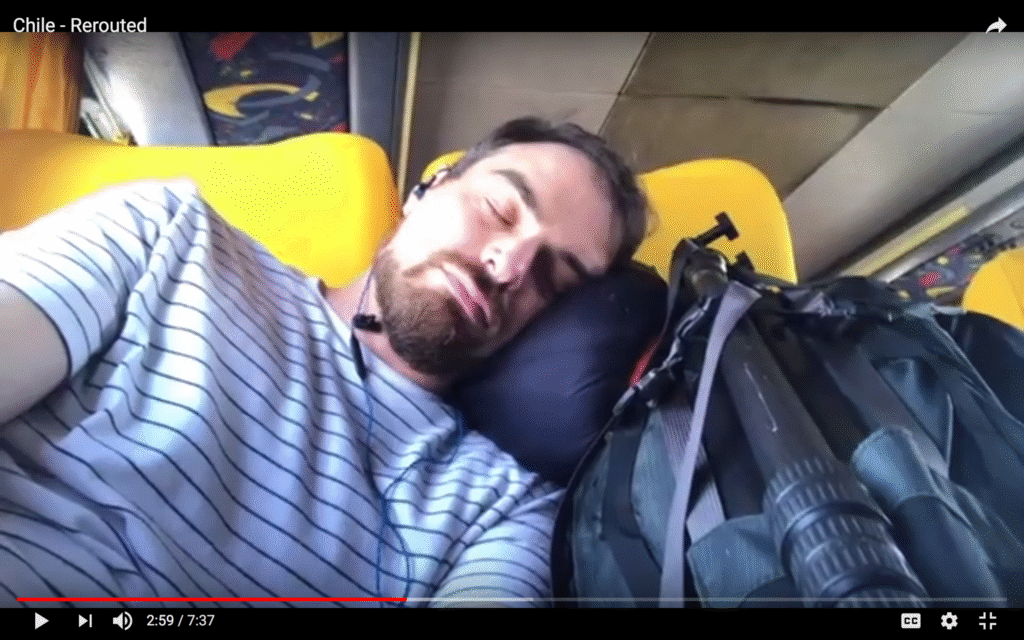
This year’s Chile workshop had a bit of a hiccup. Twenty-three hours before I was supposed to fly to Patagonia to meet my group, LATAM airlines canceled my ticket because of a strike. To make it to meet them, some drastic travel was required. This video will give you a glimpse into that journey. ,
Crossing Paths
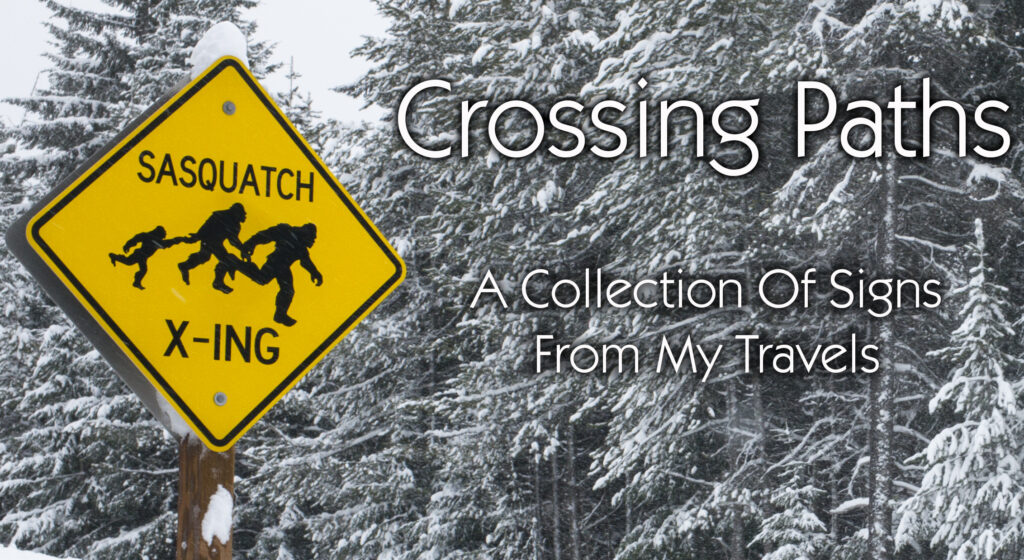
Crossing signs are one of those things that we see every day and often start to overlook. In my travels, over the years I have come across quite a variety of crossing signs that have caught my eye, so I started to catalog them. This is a collection of some of my favorites and also some of the variations that I’ve seen on similar signs. Signs Of The Times There are signs that are more common that seem to just blend into the background of everyday life. Signs like people crossing, whether on foot or bike or carrying school bags are more ubiquitous than stop signs. Warnings in the USA that a deer might jump out in front of your car are also a sign that pops up regularly for most. Occasionally a sign will be tossed in front of you though that makes you take notice. This crossing sign spotted in Salta, Argentina is meant to warn you of children possibly in the road, but it almost looks like it’s more to warn you that you may have to jump out of the way of crazy drivers. The blue one here in Leknes, Norway seems to be warning us that only Frank Sinatra and members of the Rat Pack are allowed to cross. When it comes to animals, there are more than just deer and chickens that like to cross the road. Sometimes the thing crossing the road is even more unexpected than an elephant or a guanaco (the deer like animal on left of 5 animal signs collage). Most of the time the sign is there for your own safety. This park in Oregon had a string of owl attacks on humans. After Rachel Maddow jokingly said on her television show that they should have a sign made, they actually did. I am very happy they listened, just look at this masterpiece! It’s not only the natural world that crosses the road from time to time, there might be man-made implements you should be warned of too. Sometimes though the sign is just there to remind you to take a step back and that life shouldn’t be taken too seriously.